
29 Sep Through the Eyes of Women
Yom Kippur, the holiest day of the Jewish year, is both deeply halachic and profoundly spiritual. It is the day when Jews stand before God to seek forgiveness, cleanse their souls, and chart a new path for the year ahead. For women, the obligations of the day are halachically the same as for men, but the traditions and experiences often take on unique shades of meaning. Yom Kippur calls not only for abstention from physical pleasures but also for the cultivation of spiritual depth, prayer, and renewal.
At the halachic core of Yom Kippur are the five inuyim, the afflictions that shift attention from the physical to the spiritual. These are fasting from food and drink, refraining from washing and anointing, avoiding leather shoes, and abstaining from marital intimacy. For women, as for men, these prohibitions are binding, serving as reminders that the body is not the focus of the day. Instead, the soul is elevated. Yet halacha also underscores the value of life and health. Pregnant women, nursing mothers, and those with health challenges are guided by the principle of pikuach nefesh, the preservation of life, which overrides the fast when necessary. In this balance, one sees the compassionate heart of halacha—while striving for spiritual transcendence, the sanctity of life itself remains paramount.
Traditionally, women usher in Yom Kippur by lighting candles before sunset. This act is halachic, yet also symbolic. The flickering flame is a prayer in itself, illuminating the home and welcoming the holiness of the day. The blessings recited over the candles include not only the mitzvah of kindling the light but also Shehecheyanu, thanking God for granting life and bringing us to this sacred moment. In many households, women use this opportunity for personal prayers, pouring their hearts out in quiet words for forgiveness, for their families’ well-being, and for the Jewish people as a whole. In this way, halacha and spirituality merge—the legal act of lighting becomes a gateway to intimate communion with God.
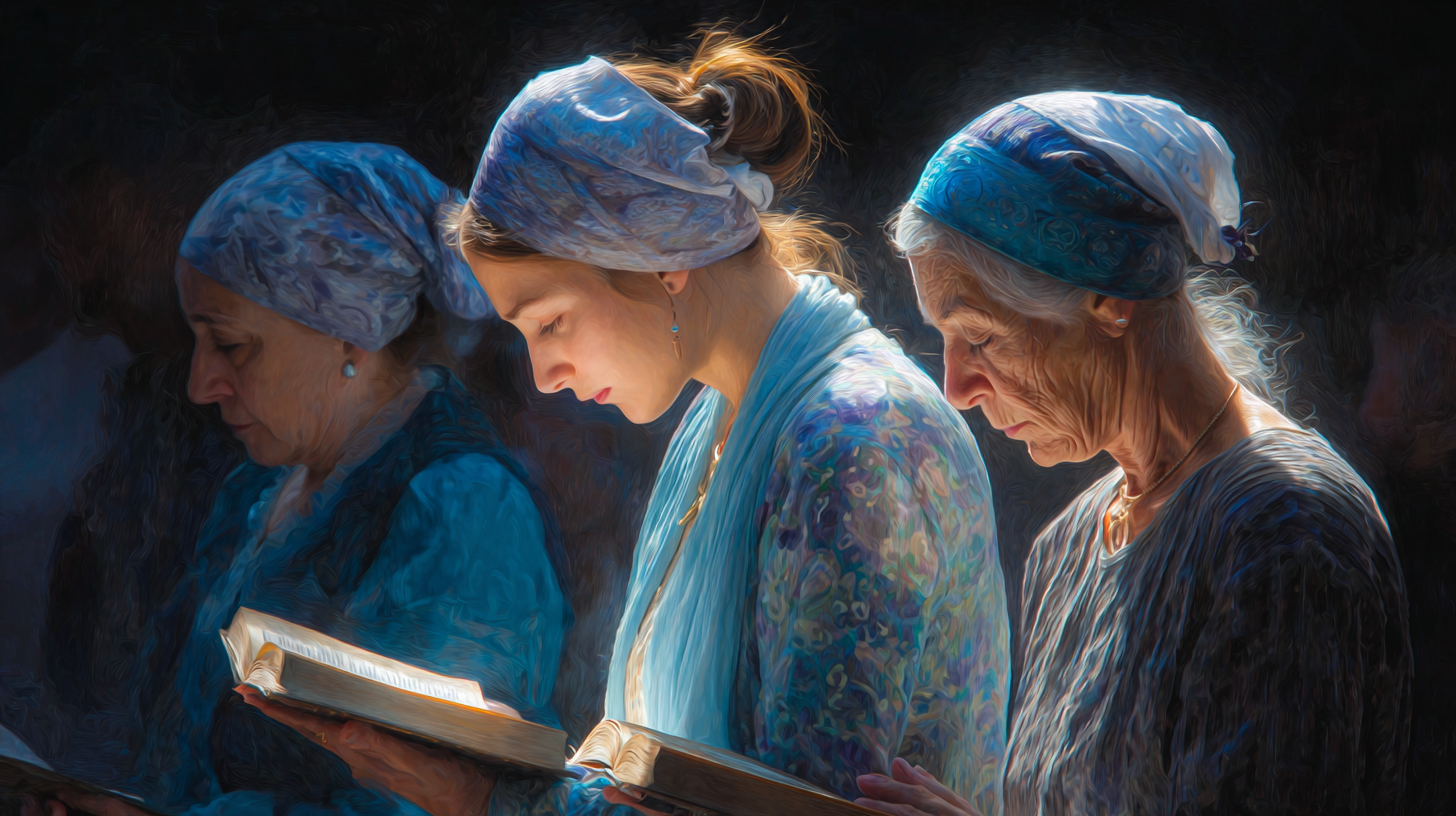
Prayer is the heartbeat of Yom Kippur, and women are obligated in the day’s liturgy just as men are. There are five services unique to Yom Kippur: Maariv with the moving Kol Nidre, Shacharit in the morning, Musaf recalling the Temple service, Mincha with the reading of Jonah, and Neilah, the final closing prayer. The repetition of Vidui, the confession of sins, is a central halachic obligation. Yet beyond the legal requirement, the act of confession resonates spiritually: it allows women to reflect on their own deeds, words, and thoughts, and to release the burdens of the past year. Even women who may not be able to attend the entire day’s services—whether because of young children or other responsibilities—can fulfill the heart of the obligation through heartfelt prayer and confession, even whispered in a quiet corner of the home. Every sincere word of Vidui is precious before Heaven.
The spiritual atmosphere of Yom Kippur is often heightened through customs of dress. Many women choose to wear white, symbolizing purity and echoing the words of Isaiah: “Though your sins be as scarlet, they shall be as white as snow.” This tradition elevates the day by reminding women of their capacity for renewal and forgiveness. Some adopt the custom of refraining from jewelry and adornments, approaching God with humility and simplicity. These external customs are not mere aesthetics—they embody an inner striving to shed layers of ego and vanity, to present oneself honestly and purely before the Creator.
For women, Yom Kippur also carries the dimension of creating sanctity within the home. Beyond fasting and praying, women often prepare in advance so that the pre-fast meal, the seudah mafseket, is nourishing and the home is peaceful. After the fast, they ensure that a warm meal awaits the family, restoring body and spirit together. These efforts may seem mundane, but in reality, they form part of the holiness of the day. Halacha recognizes that service to family, when done with the right intention, is service to God. The Torah’s vision of holiness embraces not only the synagogue but also the home, and women often stand at the heart of that sanctification.
Another dimension of halachic and spiritual sensitivity is the recognition that not every woman’s experience will be the same. Some may spend hours in heartfelt prayer at synagogue, others may whisper their Vidui while cradling a child, and still others may focus on quiet reflection at home. Halacha provides the structure—fasting, abstentions, prayer obligations—while tradition allows the spiritual heart of each woman to find its own path within that framework. Whether in the public sanctity of the congregation or in the private sanctity of the home, women’s voices rise to Heaven on Yom Kippur with equal force.
The closing moments of Yom Kippur are especially powerful. As the gates of Heaven symbolically close during Neilah, women, like men, turn to God with urgency and intensity, seeking to have their names inscribed and sealed in the Book of Life. The blast of the shofar that concludes the fast is both halachic and symbolic—it marks the fulfillment of the day’s obligations and the beginning of renewed life. For women, this moment often carries the weight of all that came before: the sacrifices of the fast, the prayers uttered, the responsibilities balanced, and the hopes for a better year ahead.
The most important halachic and traditional aspects of Yom Kippur for women are firmly rooted in the shared obligations of fasting, abstentions, confession, and prayer. Yet the spiritual dimension adds depth and beauty—through candle lighting, wearing white, balancing home and synagogue, and offering personal prayers, women infuse the day with meaning that is both halachically sound and spiritually profound. Yom Kippur becomes not only a day of obligation but also a day of transformation, where women stand before God with honesty, humility, and hope, seeking forgiveness and renewal for themselves, their families, and the world.
Sorry, the comment form is closed at this time.