
15 Oct Elevating Women During Jewish Holidays
Jewish holidays form the heartbeat of the Jewish calendar—times of spiritual elevation, communal connection, and deep reflection. For Jewish women in particular, these moments carry a unique blend of responsibility, meaning, and opportunity. Amid the preparations, traditions, and sacred rituals, learning—Torah study, midrash, halachic guidance, or personal exploration—becomes an essential source of empowerment. It enriches the holiday experience, strengthens women’s spiritual identity, and provides tools to navigate the season with clarity and joy.
Learning deepens connection to mitzvot. Jewish holidays are filled with commandments whose details and symbolism carry centuries of wisdom. When women learn the halachot of candle-lighting, challah-baking, koshering the kitchen for Pesach, or creating a Sukkah environment filled with hiddur mitzvah, the acts shift from routine to sacred. Knowledge transforms practice: lighting Shabbat or Yom Tov candles becomes an expression of spiritual leadership; preparing holiday meals becomes an opportunity to create a space infused with kedushah; participating in rituals gains new resonance through understanding their origins in Torah, Talmud, and Midrash.
Learning also reclaims women’s voices within tradition. Jewish texts are rich with stories of women whose faith, courage, and insight shaped the destiny of the Jewish people—Sarah’s hospitality, Miriam’s leadership, Devorah’s wisdom, Esther’s strategic bravery, and Hannah’s heartfelt prayer. When women explore these narratives, they see their own experiences reflected in the heritage of Klal Yisrael. This knowledge nurtures a sense of belonging and spiritual authority. It reminds women that their presence is not peripheral; it is foundational.
During holidays, learning offers emotional grounding. The intensity of preparations—cooking, hosting, organizing, supporting family rituals—can be both fulfilling and exhausting. Engaging in Torah learning, whether through a shiur, a podcast, a chavruta, or quiet personal study, offers a moment of inner stillness. It reconnects women to the core themes of each chag: freedom on Pesach, renewal on Rosh Hashanah, forgiveness on Yom Kippur, joy on Sukkot, bravery on Chanukah, and resilience on Purim. Learning helps women shift from performance to presence, reminding them that the spiritual essence of the holiday matters as much as the practical tasks.
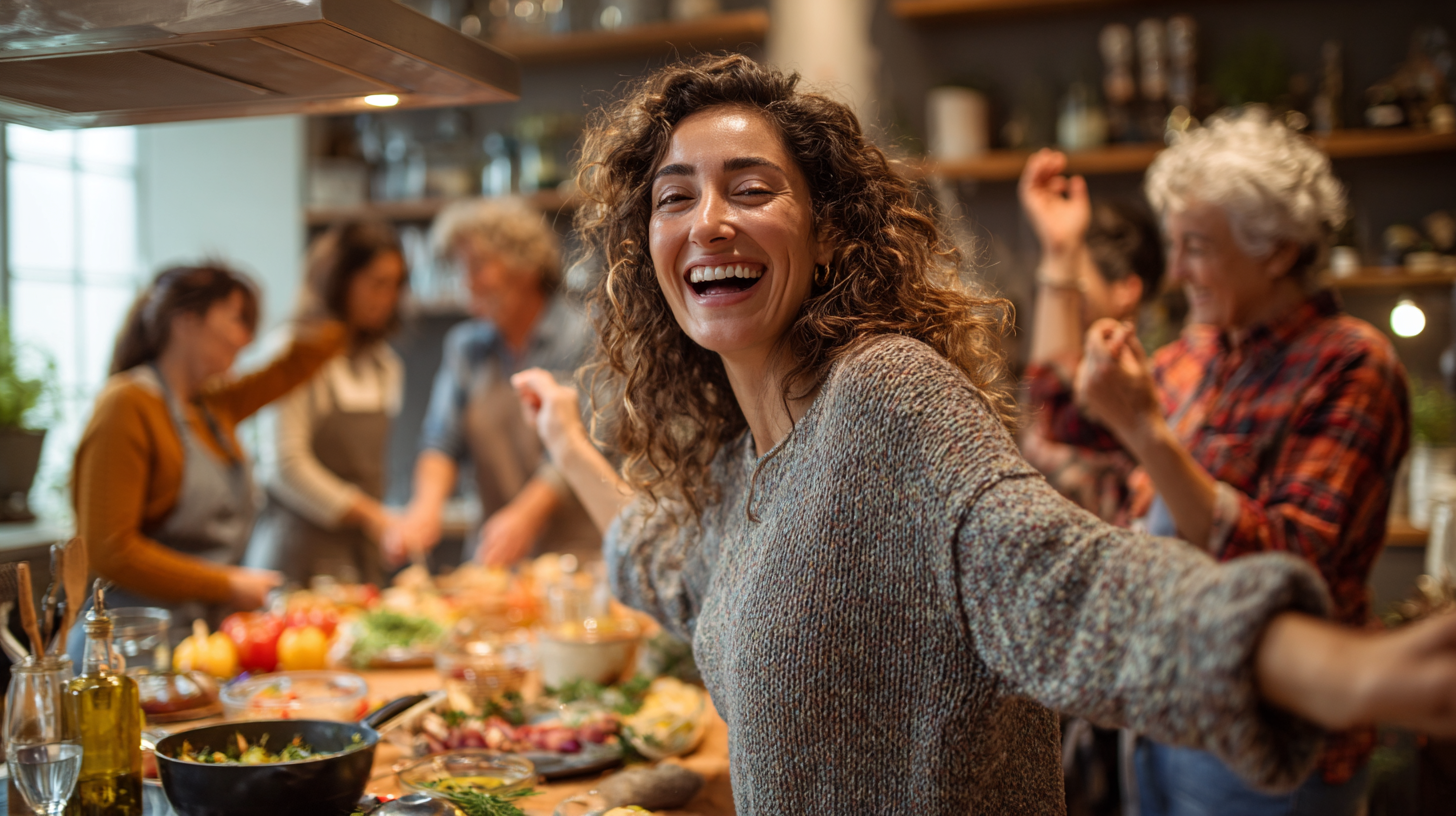
Community learning creates sisterhood. Across Jewish communities, pre-holiday classes for women—shiurim on Pesach cleaning, workshops on meaningful tefillah, discussions about women’s roles in Megillat Esther, or Chassidic teachings on Sukkot—become spaces of shared wisdom and inspiration. These gatherings strengthen bonds between women of different ages and backgrounds. They validate questions, celebrate insights, and create a supportive circle where learning is not only intellectual but communal and emotional.
Learning encourages spiritual ownership. Jewish holidays are cyclical, but each year women enter them with new experiences, challenges, and hopes. Torah study ensures the holiday is never the same twice. A pasuk in the Haggadah may resonate differently after a year of growth; a teaching about teshuvah may speak more deeply after a season of change. Learning infuses each chag with evolving relevance, turning tradition into a dynamic encounter.
Ultimately, learning empowers Jewish women to approach holidays not simply as observers or organizers, but as full spiritual participants. It strengthens their connection to Hashem, to community, and to their inner world. In this way, learning becomes a shining thread woven through every festival—illuminating, uplifting, and enriching the Jewish holiday journey for women across generations.
Sorry, the comment form is closed at this time.