
15 Aug Walking into Elul with Our Mothers
Timeless Lessons from the Great Women of the Torah
Throughout Jewish history, the month of Elul has been understood as a time of return, reflection, and renewal. As the final month of the Jewish year, Elul gently invites us to pause, examine our hearts, strengthen our relationship with Hashem, and prepare ourselves for the Days of Awe. While the themes of teshuvah, prayer, and personal growth apply to every Jew, women have long embodied these ideals in uniquely profound ways. The lives of our matriarchs and heroines reveal that Elul is not merely about correcting mistakes—it is about rediscovering who we are and embracing the Divine potential that has always been within us.
Sarah Imeinu teaches us that spiritual greatness begins with unwavering faith. She was called upon to leave everything familiar and journey into the unknown alongside Avraham. Throughout her life she faced disappointment, uncertainty, and years of longing for a child. Yet Sarah never allowed temporary challenges to define her relationship with Hashem. Even when the fulfillment of His promises seemed impossible, she continued to build a home centered on holiness and kindness. Elul asks us to exercise the same quiet confidence. Like Sarah, we are reminded that our spiritual journey is often measured not by dramatic moments, but by steadfast faith expressed through our daily choices. Every act of kindness, every prayer whispered in sincerity, and every effort to create a home filled with Torah and warmth becomes another step toward spiritual renewal.
Rivkah Imeinu demonstrates the importance of seeing beyond appearances and making decisions guided by spiritual wisdom. Her first introduction in the Torah is not through words, but through action as she eagerly draws water for Eliezer and his camels. Her generosity revealed a heart naturally inclined toward chesed. Later, when faced with difficult family circumstances, Rivkah displayed remarkable courage and clarity in ensuring that Yaakov received the blessings destined for him. Elul challenges each of us to become our own “shoftim”—our own judges—carefully evaluating not only our actions but also the motivations behind them. Rivkah reminds us that genuine teshuvah requires wisdom, discernment, and the willingness to choose what is right, even when those choices are not easy.
Rachel Imeinu perhaps embodies Elul’s message of compassion more than anyone else. Her willingness to surrender the secret signs to Leah on her wedding night remains one of the Torah’s greatest examples of selflessness. Rachel chose another person’s dignity over her own happiness. According to our tradition, it is Rachel’s tears that continue to intercede for the Jewish people throughout the generations. During Elul, we often focus on repairing our relationship with Hashem, but Rachel reminds us that our relationships with others are equally sacred. The willingness to forgive, to avoid embarrassing another person, to extend kindness instead of judgment, and to place another’s emotional well-being before our pride are among the highest expressions of teshuvah. Rachel teaches us that tears shed out of love and compassion possess extraordinary spiritual power.
Leah Imeinu offers another beautiful lesson for Elul: gratitude transforms the soul. Leah experienced feelings of rejection and disappointment, yet she continually turned toward Hashem with appreciation. When her fourth son was born, she named him Yehudah, declaring, “This time I will thank Hashem.” From that expression of gratitude came the very name “Jew”—Yehudi—a people whose identity is rooted in thankfulness. During Elul we naturally spend time examining where we have fallen short. Leah reminds us that introspection should never become self-criticism alone. True spiritual growth balances honest reflection with profound gratitude. When we recognize Hashem’s blessings, we gain the strength and confidence to improve ourselves without becoming discouraged. Gratitude opens the heart to change because it reminds us that we are already recipients of countless expressions of Divine kindness.
The story of Chana illustrates the transformative power of sincere prayer. Childless for many years, Chana poured out her heart before Hashem with such intensity that Eli the Kohen initially misunderstood her silent prayers. Yet it was precisely that deeply personal conversation with Hashem that became the model for Jewish prayer throughout the generations. Elul is often described as a time when “The King is in the field,” when Hashem is especially close and accessible. Chana teaches us how to approach Him—not with elaborate speeches or perfect words, but with honesty, vulnerability, and complete trust. Many women today carry concerns for their families, communities, health, livelihoods, and the future of the Jewish people. Chana reminds us that no sincere prayer is insignificant. Every heartfelt conversation with Hashem has the power to shape both our own lives and the lives of generations yet to come.
Queen Esther reveals perhaps the most profound lesson of Elul: discovering courage hidden within humility. Esther never sought greatness or public recognition. She found herself in a position she had never imagined, facing decisions that would determine the survival of her people. Her famous words, “If I perish, I perish,” reflect complete selflessness and trust in Divine providence. Yet before acting, Esther called upon the Jewish people to unite in fasting and prayer. She understood that lasting salvation begins with spiritual preparation. Elul invites every Jewish woman to recognize that she, too, possesses hidden strengths waiting to be revealed. Like Esther, many women underestimate the influence they have within their families, workplaces, friendships, and communities. A kind word, an act of leadership, a quiet example of faith, or the courage to stand for Torah values may have consequences far greater than we can imagine.
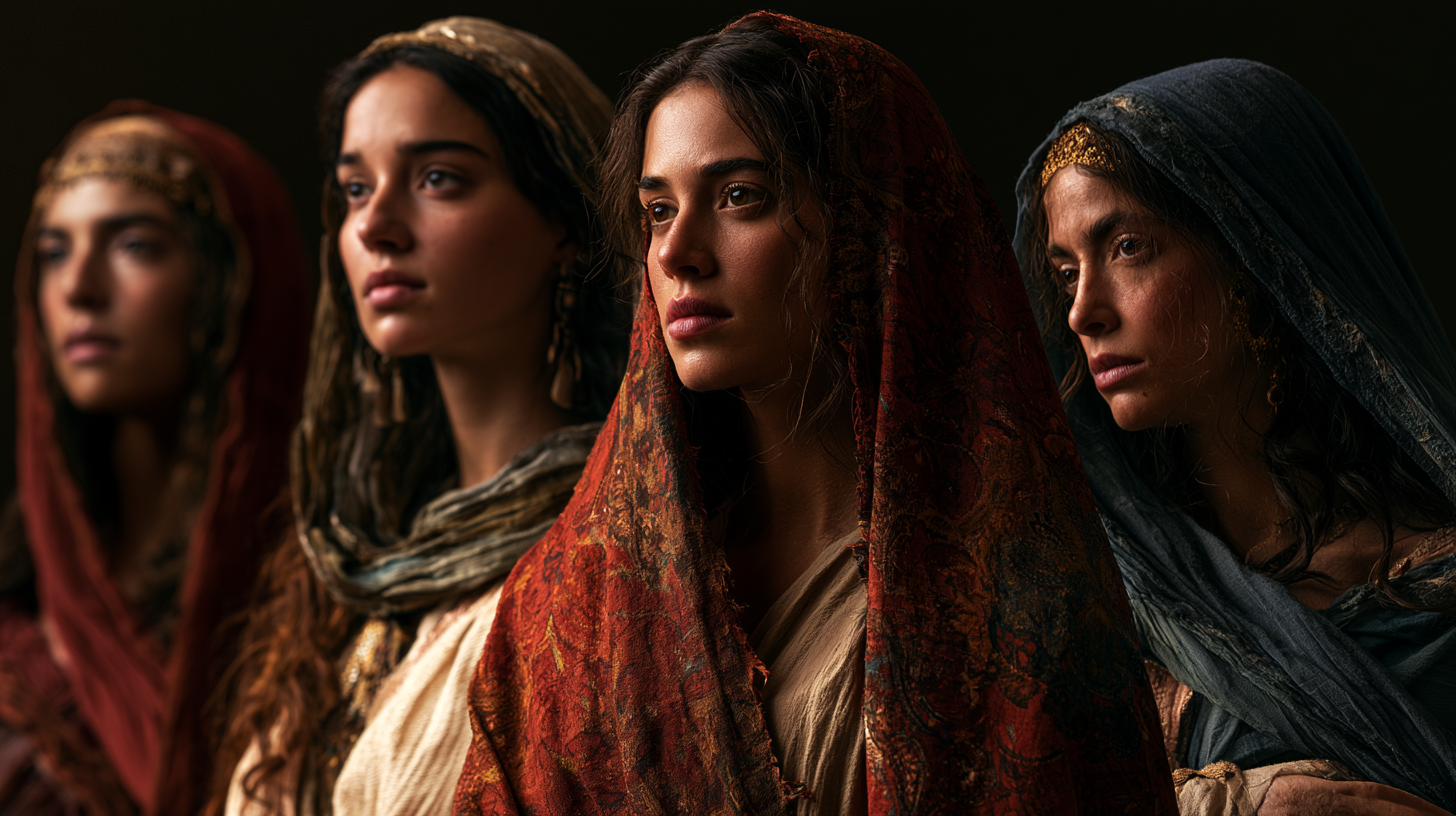
Together, these remarkable women present a beautiful roadmap for Elul. Sarah teaches enduring faith. Rivkah models wisdom and discernment. Rachel exemplifies compassion. Leah inspires gratitude. Chana demonstrates the power of heartfelt prayer. Esther reveals courage rooted in humility and trust. Although each lived in a different era and faced unique challenges, they shared one common characteristic: they continually turned toward Hashem, even during life’s greatest tests.
Perhaps this is the deepest meaning of teshuvah. The Hebrew word literally means “return.” It is not about becoming someone else; it is about returning to our truest selves—the people Hashem created us to be. These women did not achieve greatness because they were perfect. They became great because they continually chose faith over fear, kindness over resentment, gratitude over despair, prayer over hopelessness, and courage over comfort.
As Elul begins, every Jewish woman is invited to walk alongside these extraordinary heroines. Their stories remind us that holiness is cultivated in ordinary moments: in the prayers whispered before dawn, in the patience shown to a child, in forgiveness offered to a friend, in gratitude expressed around the Shabbat table, and in the quiet determination to begin again after stumbling.
The gates of Elul are always open. Just as Sarah, Rivkah, Rachel, Leah, Chana, and Esther each answered Hashem’s call in their own unique way, so too each of us can respond with our own gifts, our own prayers, and our own commitment to grow. Their legacy assures us that every sincere step toward Hashem is met with His loving embrace, preparing our hearts to enter the new year with hope, purpose, and renewed faith.
Sorry, the comment form is closed at this time.